Are self watering pots worth it?
If you’ve ever come home to a droopy pothos and that tiny stab of guilt, self-watering pots sound almost suspiciously perfect. Fill a reservoir, let the plant sip what it needs, and stop living by the “oops, I forgot again” cycle. But are self watering pots worth it? Honestly, sometimes yes, sometimes absolutely not. They’re less like a magic fix and more like a very specific tool: brilliant in the right apartment, oddly annoying in the wrong one.
What a self-watering pot actually does
Most self-watering pots have a bottom reservoir and a wick or soil column that pulls moisture upward through capillary action. The idea is simple: roots get more consistent moisture instead of swinging between bone-dry and swampy.
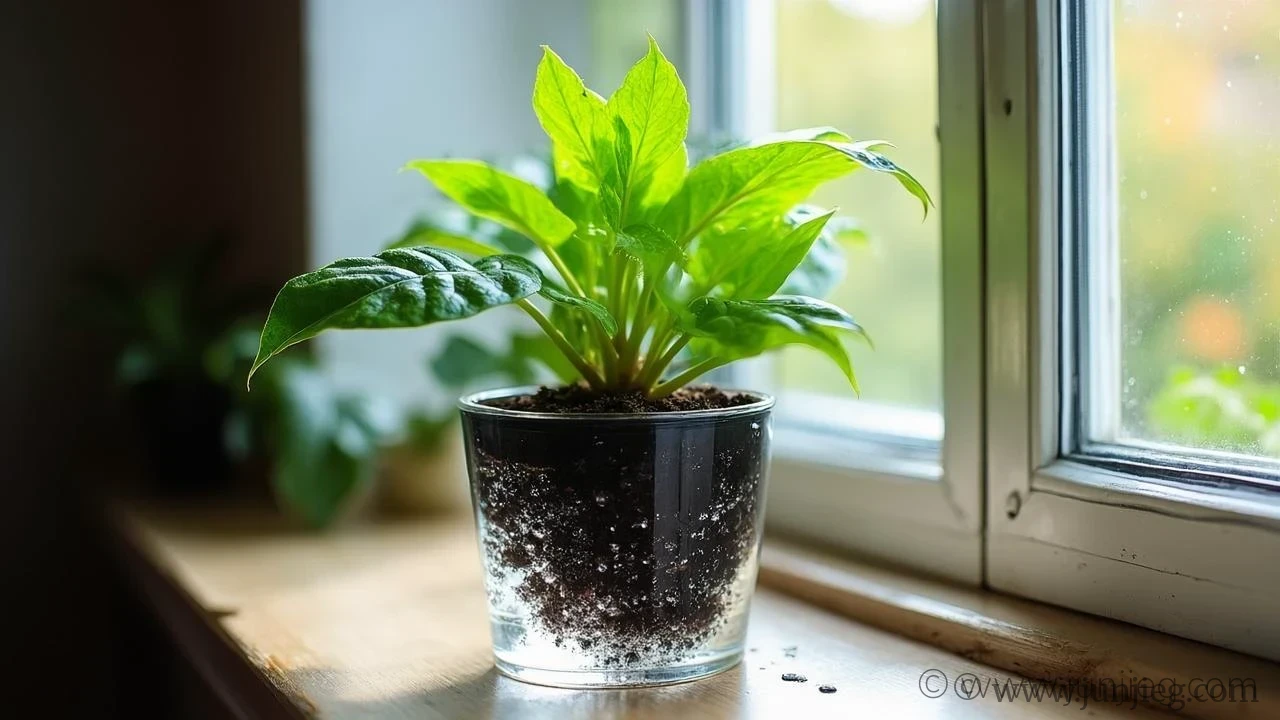
That consistency is the real selling point. A study from the University of Florida’s container irrigation research has long pointed to one basic truth in container growing: stable moisture helps reduce plant stress. Not every plant wants the same level of moisture, of course, but fewer extremes usually means fewer crispy edges and fewer dramatic collapses after a missed watering.
When they’re genuinely worth the money
For some people, they pay for themselves in saved plants alone.
- Busy workers who travel a lot
- Beginners who underwater more than they overwater
- Herb growers keeping basil, mint, or parsley indoors
- People with warm, bright apartments where pots dry out fast
Imagine a south-facing window in July. A small terracotta pot can dry in a day or two. A self-watering planter can stretch that out and make care less frantic. That’s not laziness; that’s a system matching real life.
They’re also helpful for thirsty plants. Peace lilies, ferns, and many tropical houseplants tend to appreciate even moisture. If you’ve ever watched a peace lily faint like a Victorian woman, you know the appeal.
Where the hype falls apart
Here’s the part sellers don’t always emphasize: self-watering pots can make overwatering easier if you use them carelessly.
Plants that like to dry out—snake plants, many succulents, cactus, ZZ plants—can sulk or rot in constantly damp conditions. And if the potting mix is too dense, the reservoir just turns into a long-term damp zone. That’s when fungus gnats move in like they’ve signed a lease.
There’s also maintenance. Water level indicators can stick. Mineral buildup happens. Roots sometimes grow into the reservoir. If someone buys one expecting “set it and forget it forever,” disappointment usually arrives right after the yellow leaves.
Cost versus benefit
A basic nursery pot might cost a few dollars. A decent self-watering planter can run $20 to $60, sometimes more. That sounds steep until you compare it to replacing a mature houseplant. A healthy fiddle-leaf fig, monstera, or large fern can cost far more than the pot.
Still, it only makes financial sense if the pot matches the plant and your habits. Buying a premium self-watering pot for a cactus is a bit like putting snow tires on a bicycle. Technically possible, weird in practice.
A better question than “Are they worth it?”
Maybe the smarter question is: worth it for whom?
If you forget to water, live in dry indoor air, or want more predictable moisture, probably yes. If you already understand your plants, enjoy checking soil by hand, and mostly grow drought-tolerant species, maybe not.
A lot of houseplant problems aren’t really about the pot anyway. They’re about light. People blame watering when the plant is sitting in a dim corner trying to survive on vibes.
The honest verdict
Self-watering pots are worth it when they solve a real problem rather than just looking clever on a shelf. They help create consistency, and plants love consistency more than gadgets. But they’re not a shortcut past plant biology, and they won’t rescue a fern in a dark bathroom or a succulent drowning in damp soil.
So yes, they can be worth it. Just maybe not for every plant, every person, or every hopeful late-night cart checkout.
Leave a Reply