Trail Comfort Upgrades
I used to think trail comfort was a slippery slope. Bring one “luxury” item, and next thing you know you’re hauling a camp chair, a cast-iron skillet, and your dignity up a switchback. But after one miserable overnight where I slept on a root, ate with numb fingers, and spent half the night wrestling a crinkly sleeping pad, I changed my mind. A few smart trail comfort upgrades don’t make you soft. They make you want to go back out again, which is kind of the whole point.
Comfort isn’t cheating, it’s mileage insurance
Here’s the thing nobody tells you when you’re obsessing over base weight: discomfort compounds. A bad night of sleep turns a 10-mile hike into a grumpy shuffle. Wet socks become heel blisters. Cold dinner kills morale faster than rain sometimes. I’ve seen strong hikers get wrecked by tiny annoyances, not big dramatic failures.
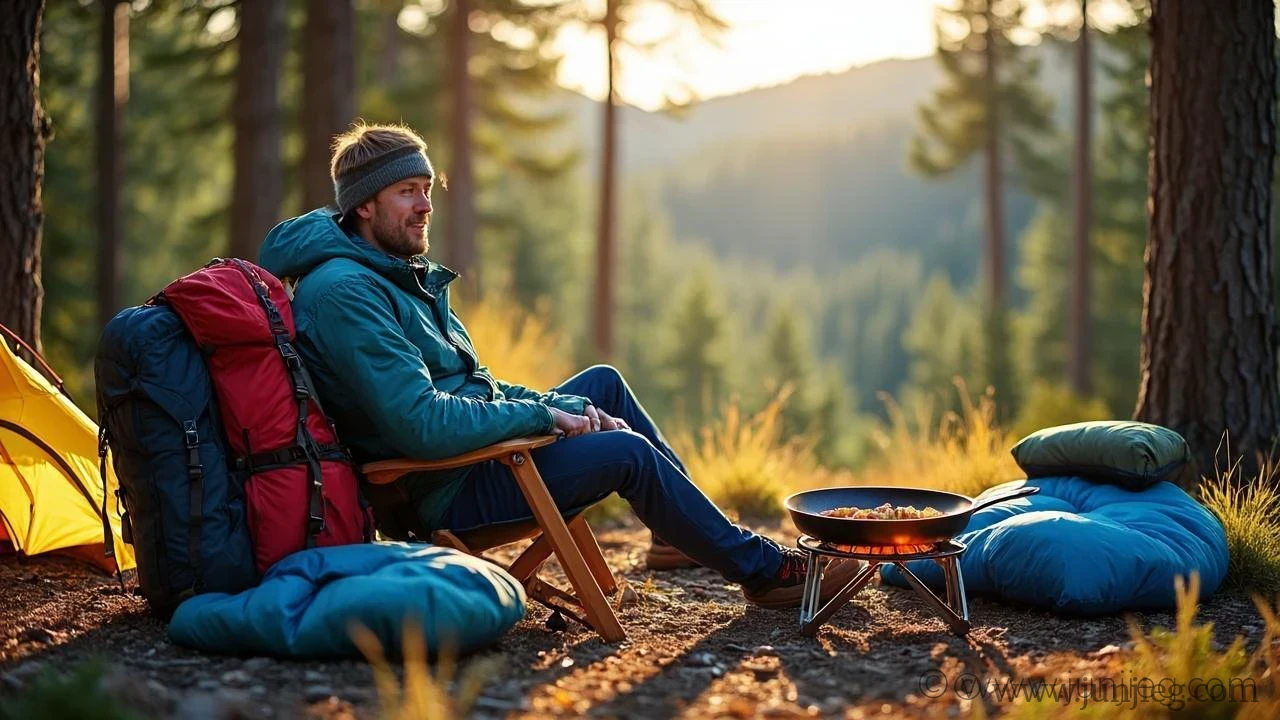
A 2023 survey from The Trek found sleep quality was one of the most common factors affecting backpackers’ next-day energy and mood. That tracks with my own experience a little too well. When I swapped my flimsy closed-cell pad for an inflatable pad with an R-value around 4, I slept warmer and actually stayed asleep. Suddenly I wasn’t starting day two feeling like I’d been folded into a lawn chair.
The upgrades I’ll defend with my whole heart
A pillow that doesn’t feel like a punishment
For years I did the classic “stuff clothes in a sack” move. Was it ultralight? Sure. Was it a terrible pillow? Also sure. A real backpacking pillow, especially one with a brushed fabric face, is one of those tiny upgrades that feels absurd until you try it. Most weigh between 2 and 4 ounces. That’s less than an energy bar and way more useful at 2 a.m. when your neck starts filing complaints.
Better socks, because feet run the whole operation
If your feet are unhappy, the trip gets weird fast. Merino-blend hiking socks are expensive, and I complained about the price right up until I stopped getting hot spots every single trip. Good socks manage moisture, reduce friction, and keep their shape. The American Podiatric Medical Association has long emphasized moisture control as a key factor in blister prevention, which sounds clinical, but on trail it just means fewer muttered curses during descents.
A sit pad is ridiculously underrated
This one is peak trail nerd behavior, and I stand by it. A foam sit pad weighs almost nothing, keeps your butt dry on wet logs, and doubles as a kneeling pad when you’re digging through your pack or filtering water. Mine has also become a wind block for my stove and a back-panel booster inside frameless packs. Not glamorous. Very useful. Honestly, it’s the kind of item that makes you feel annoyingly clever.
Warmth and recovery matter more than people admit
A lot of “comfort” talk focuses on camp, but recovery starts the minute you stop walking. Dry sleep clothes are huge. So is a warm drink. There’s real physiology behind that cozy feeling too: staying warm helps your body conserve energy, and hydration plays directly into muscle recovery and sleep.
I started carrying a slightly larger titanium mug on shoulder-season trips, and it changed my evenings more than some expensive gear ever did. Hot tea while watching the light fade? That’s not extra. That’s morale management.
My rule now: upgrade the pain point, not the fantasy
I try not to buy gear for the imaginary version of me who happily suffers for the aesthetic. I buy for the version who wants to hike farther, sleep better, and wake up not hating the world. If your back hurts, fix the pad. If your feet blister, fix the socks. If camp always feels chaotic, maybe the upgrade is as boring as a better headlamp or easier-access food bag.
Trail comfort upgrades work best when they solve one specific annoyance really, really well. Not sexy, maybe. But I’d take eight hours of decent sleep over another titanium gadget any day, and yes, I know that makes me sound about 74 years old.
Leave a Reply