Smart lock trends for renters
The funny thing about renting is that you can spend years in a place and still feel like the front door belongs to someone else. You decorate the living room, buy the better showerhead, maybe sneak in peel-and-stick backsplash, but the lock? That has traditionally been landlord territory. Smart locks are starting to poke at that boundary, and renters are no longer treating keyless entry as a luxury reserved for homeowners with a toolbox and permission slip.
The renter-friendly lock is becoming its own category
A few years ago, most smart locks assumed you could replace the whole deadbolt. That made sense for homeowners, but not for someone whose lease says “no alterations” in three different places. The newer trend is quieter: retrofit smart locks that sit on the inside of the door and turn the existing deadbolt mechanically.
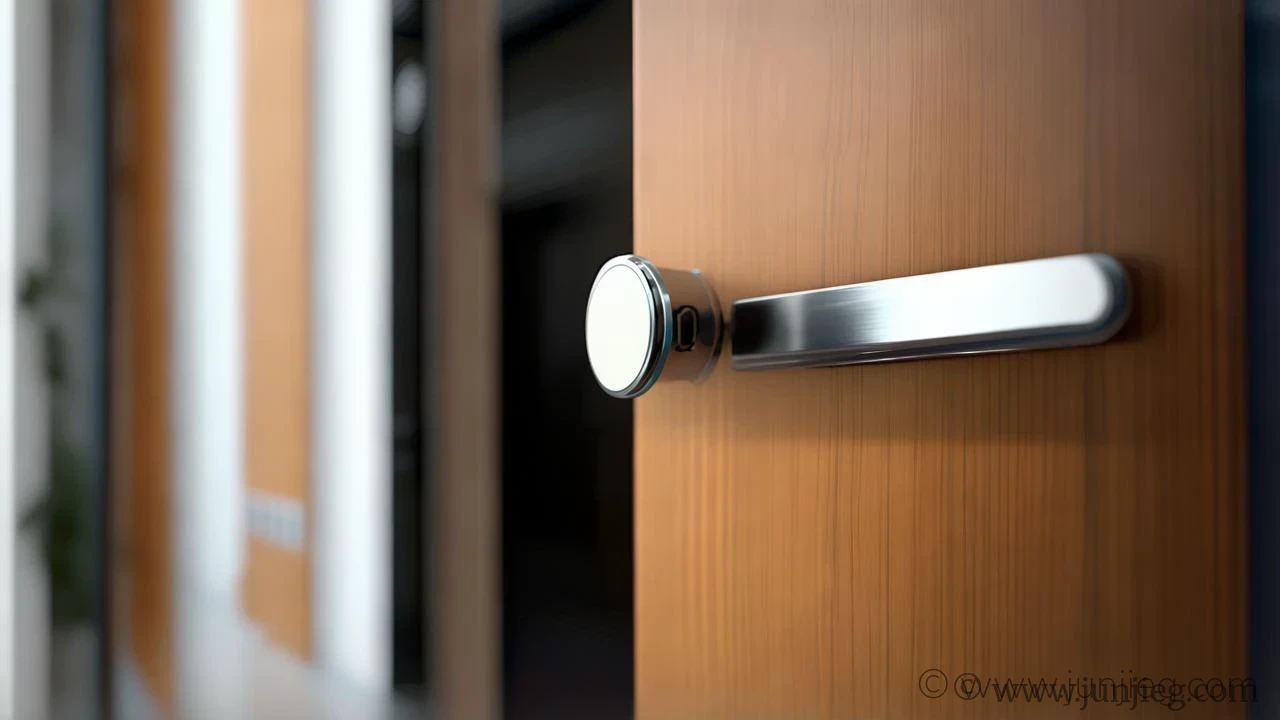
From the hallway, nothing changes. The same keyhole stays there. The landlord’s master key still works. Inside, though, the thumb turn gets a motor, an app, and sometimes a small sensor that knows whether the door is open or closed.
That small design shift matters. It turns smart locks from a renovation project into something closer to a removable apartment gadget, like a video doorbell mount or a portable dishwasher.
Renters want access control, not just convenience
The old sales pitch was simple: “Unlock your door with your phone.” Nice, but not exactly life-changing. The sharper trend now is access management.
Think about the real renter scenarios:
- A dog walker needs entry every weekday at 1 p.m.
- A friend is crashing for the weekend.
- A roommate moves out and “forgets” to return a key.
- A maintenance visit gets scheduled while you’re at work.
- An Airbnb-style sublet needs a code that expires Sunday afternoon.
Physical keys are awkward in all of those moments. They can be copied at a hardware store for a few dollars, and once they leave your hand, you never fully know where they ended up. Smart locks let renters issue temporary codes or app access, then revoke them without changing the entire lock.
According to Parks Associates research, smart door locks have been one of the more common smart home security devices in U.S. broadband households, with adoption helped by package theft concerns, remote work routines, and the rise of app-based home management. Renters are part of that wave, but they bring more constraints than homeowners.
The big friction point: permission
Here’s where the coffee-shop debate usually starts. Is it okay to install one without telling the landlord?
Technically, many retrofit locks don’t alter the exterior hardware. But leases vary, and some landlords care about anything attached to the door. Apartment buildings with fire codes, electronic entry systems, or strict maintenance policies may have additional rules.
A practical middle ground is emerging: renters are choosing devices that are removable, keeping all original parts in a labeled bag, and asking for approval using plain language.
Something like:
“This device mounts only on the inside thumb turn and does not replace the deadbolt or affect your key access. I’ll remove it when I move out.”
That’s a much easier conversation than “I want to change the lock.”
Battery anxiety is real, but usually overblown
People love to ask, “What if the battery dies?” Fair question. Nobody wants to stand outside at midnight because their front door ran out of AA batteries.
Most renter-friendly smart locks now send low-battery alerts weeks before failure. Many also leave the outside keyway untouched, so a regular key still works. The trend here is not fully keyless living. It’s more like “key-optional” living.
Still, the smartest renters keep one physical key in a wallet, car, or lockbox. Not glamorous, but neither is calling a locksmith in sweatpants.
Design is getting less embarrassing
Early retrofit locks often looked like someone taped a lunchbox to the door. Functional, sure. Subtle? Not really.
Newer models are shrinking, using cleaner finishes, and paying more attention to apartment interiors. That matters because renters often live with these devices in small spaces. If your entryway opens straight into the living room, you don’t want a giant plastic robot glaring from the deadbolt during dinner.
The next wave will likely focus on quieter motors, slimmer profiles, and better compatibility with odd apartment hardware. Older buildings, especially prewar walk-ups and converted houses, still create headaches with unusual deadbolts and tight door frames.
Privacy is becoming part of the conversation
A lock connected to an app creates a record. Who entered, when they entered, whether the door was locked at 11:43 p.m. For some households, that’s helpful. For others, it can feel weirdly intimate.
Roommates should probably talk before installing one. Does everyone get admin access? Are entry logs visible? Can one person remove another person’s access? These questions sound dramatic until the first awkward roommate situation lands.
Smart lock trends for renters are really about control: control over access, control over move-out damage, control over daily routines. The best devices respect the fact that renters live in a gray zone. They want smarter doors, sure, but they also want their security deposit back.
Leave a Reply