A slow drip under the sink may not look urgent, but renters know how quickly “minor moisture” can become swollen cabinets, stained flooring, mold concerns, and an uncomfortable conversation with the landlord. A renter friendly smart water monitor is not about turning your apartment into a high-tech showroom. It is about catching leaks early, before they become expensive damage that could put your security deposit at risk.
What Renters Actually Need
Most renters do not need a complicated whole-home water shutoff system. Those devices often require access to plumbing, tools, and landlord approval. They can be great for homeowners, but they are usually overkill for an apartment or short lease.
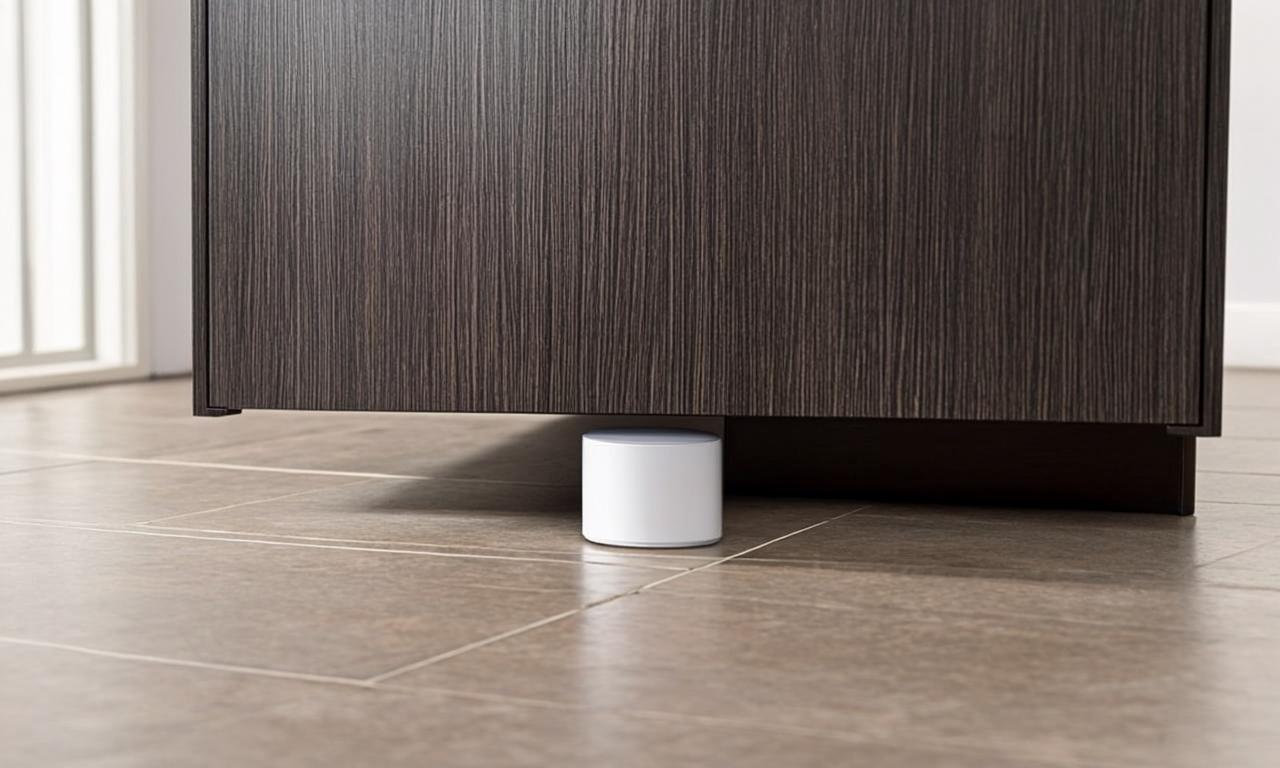
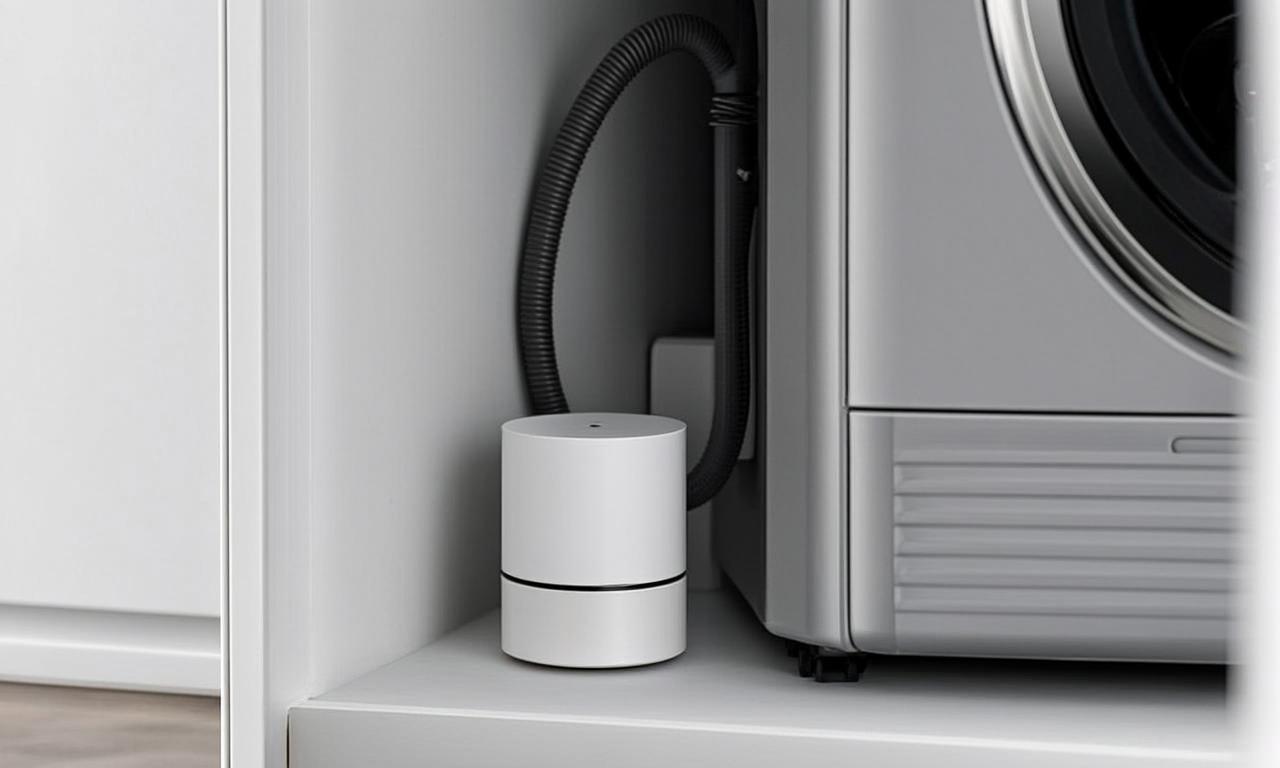
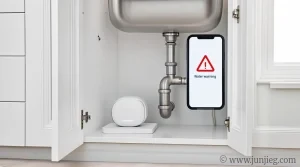
For renters, point-of-leak sensors usually make more sense. These small devices sit where water is most likely to appear: under sinks, behind toilets, beside washers, near dishwashers, or close to a water heater if you have access. When water touches the sensor, it can trigger a loud local alarm and send an alert to your phone.
A good renter-friendly leak detector should have a few practical features:
- No permanent installation
- Easy removal at move-out
- Phone alerts through an app
- A loud built-in alarm
- Long battery life
- Compact size for tight cabinets
- A price that makes sense for an apartment
The best device is not always the most advanced one. It is the one you will actually install, test, and maintain.
Where Leaks Usually Start
In rentals, leaks often begin in boring places. That is exactly why they get missed. A supply line under the kitchen sink can seep slowly for days before anyone notices. A bathroom vanity can hide damp wood until the cabinet starts to smell musty. A toilet base may leak only after flushing, leaving water to creep under flooring.
Common trouble spots include:
- Kitchen sink supply lines and drain traps
- Bathroom vanities
- Toilet bases and nearby flooring
- Washing machine hoses
- Dishwasher edges and supply lines
- HVAC drip areas
- Water heater drip pans or nearby floor space
Early alerts matter because renters are not always home when leaks begin. A small drip while you are at work, asleep, or away for the weekend can damage baseboards, cabinets, and flooring before the problem becomes visible.
Choosing the Right Device
When comparing smart water monitors, start with your living situation. If you rent a studio or one-bedroom apartment, a few standalone Wi-Fi sensors may be enough. They connect directly to your home network and send alerts without extra equipment.
Hub-based systems can be reliable, especially if you want multiple sensors throughout a larger rental. The tradeoff is that you need another device plugged in and set up. Some systems cost less per sensor but require a hub upfront, while others are more expensive individually but simpler to use.
Look for features that matter in real life:
Reliable Alerts
A leak detector is only useful if you receive the alert quickly. Choose a device with app notifications, and make sure notifications are enabled on your phone. If you travel often, consider a system that can notify more than one person, such as a partner, roommate, or trusted contact.
Local Alarm
Phone alerts are helpful, but a loud alarm is still important. If you are home, you want to hear the problem immediately. If a neighbor or roommate hears it, they may be able to act before damage spreads.
Sensor Cables
Some sensors only detect water directly underneath the device. Others include a cable that can wrap around tight areas, such as the back of a toilet or the floor behind a washing machine. For cramped apartments, cable-style sensing can make a big difference.
Battery Maintenance
Long battery life is convenient, but no battery lasts forever. Pick a device with low-battery alerts and set a reminder to check sensors every month. A dead leak detector is just plastic on the floor.
Protect Your Deposit Safely
The goal is protection without violating your lease. Avoid anything that requires cutting pipes, modifying plumbing, drilling into cabinets, or attaching equipment permanently unless you have written permission.
A simple renter setup might include two to four sensors:
- One under the kitchen sink
- One behind or beside the toilet
- One near the washing machine, if you have one
- One near the water heater or HVAC drip area, if accessible
Take a quick photo of where each sensor is placed. This helps you remember your setup and makes move-out easier. It also shows that you used removable, non-invasive devices rather than altering the property.
Pair Detection With Prevention
Smart alerts are helpful, but they work best with basic habits. Check under sinks occasionally, especially after maintenance visits. Do not ignore musty smells, warped cabinet bottoms, or soft flooring. Avoid overloading washing machines, and look for bulging or cracked hoses.
If you notice moisture, report it early and document it with photos. Clear communication can protect both the apartment and your deposit. Landlords generally prefer small maintenance requests over major water damage, and early reporting shows that you acted responsibly.
Final Takeaway
A renter friendly smart water monitor is a small, removable tool that can prevent a much bigger headache. Place sensors in high-risk spots, test them regularly, and respond quickly when they alert you. The real value is simple: stop leaks before they cost you your deposit.
Alarm loud, neighbor
Got one for studio.
No battery alerts?
Saved my deposit, thanks!